SpaceX to launch next SDA missile tracking satellites
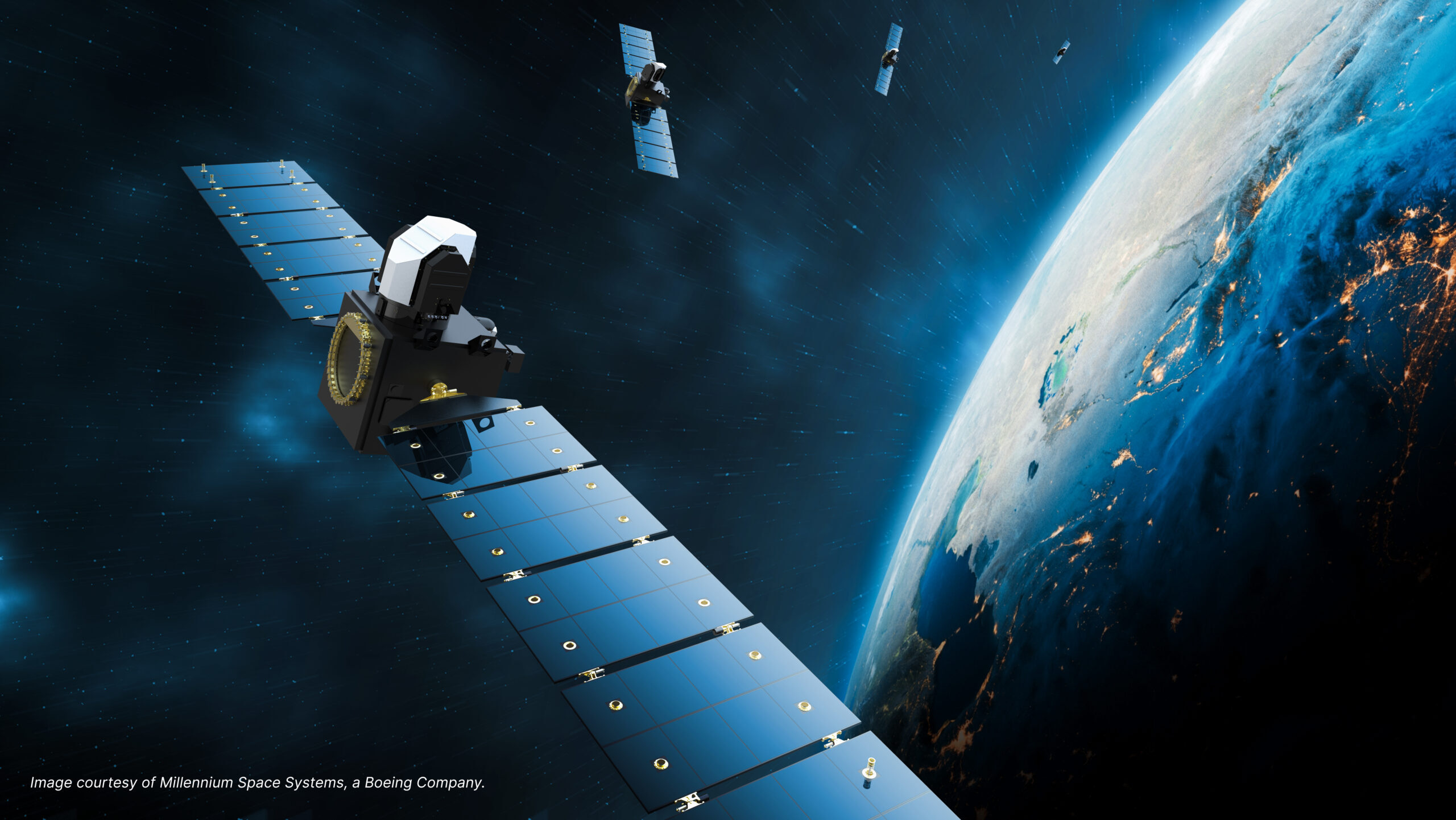
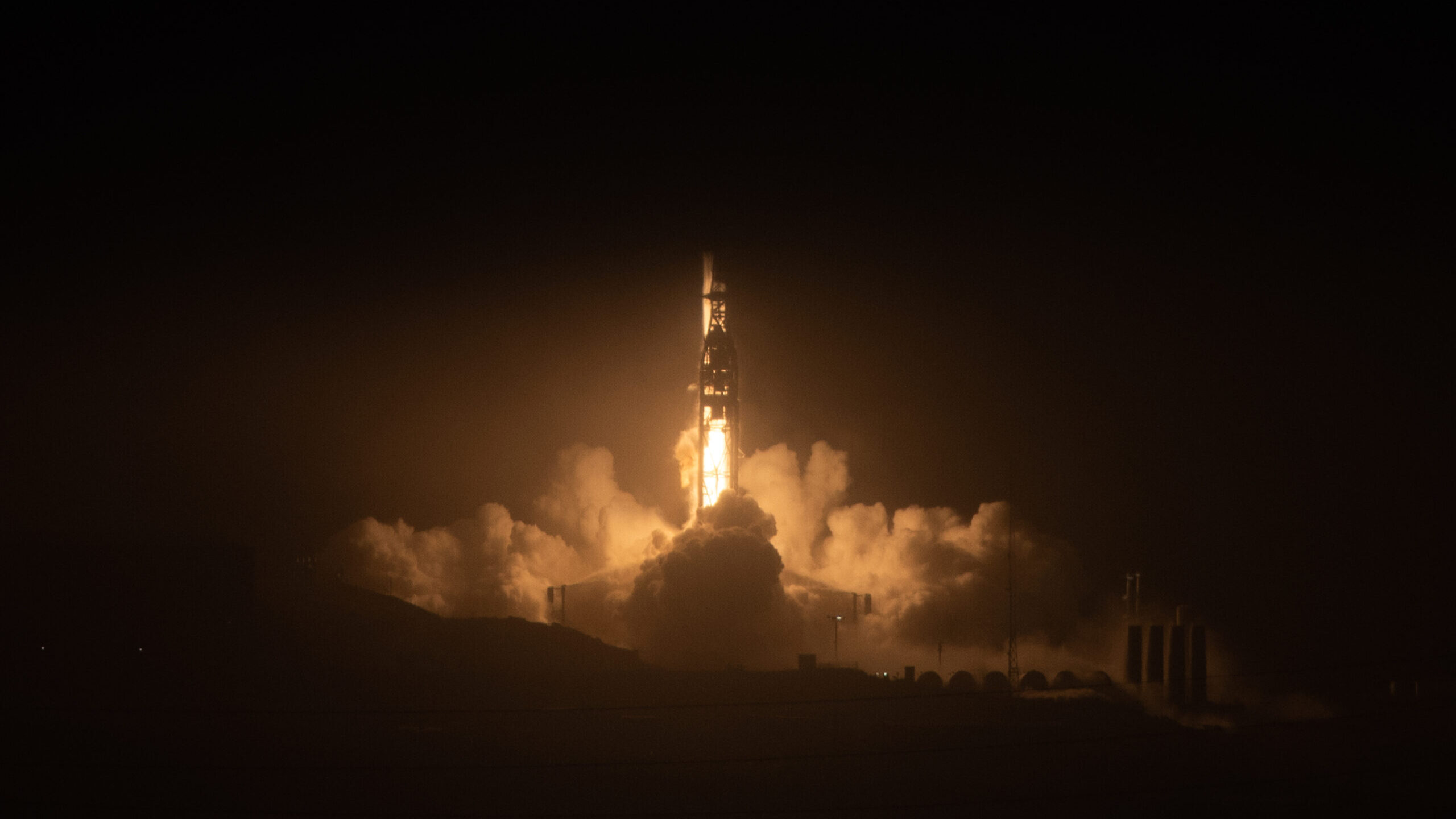
SpaceX will launch 36 Tranche 2 Tracking Layer satellites — 18 built by L3Harris and 18 built by Lockheed Martin — plus eight FOO Fighter birds built by Millennium Space Systems.
Lockheed Martin, Rocket Lab USA, Northrop Grumman, and L3Harris Technologies each won awards to "deliver and operate 18 space vehicles" for the Space Development Agency's Tranche 3 Tracking Layer.
"When the funding will be authorized, given the shutdown and all the fun there, is a question mark," one industry source told Breaking Defense.
In an exclusive interview with Breaking Defense, outgoing SDA Director Derek Tournear said the agency's three biggest technological successes have been proving the viability of space-based Link 16; missile tracking from LEO; and low-cost laser links.
Contracts for the next-generation Tranche 3, which will replace the earliest Transport Layer satellites, have been paused until the Space Force study is completed, five sources with knowledge of the program told Breaking Defense.
According to the formal solicitation posted on SAM.gov, SDA is looking to make three awards for 18 satellites each.
SDA originally had hoped to begin launching the Tranche 1 Transport and Tracking Layer constellations for its Proliferated Warfighter Space Architecture stationed in low Earth orbit in September 2024.
The Space Development Agency "has taken steps to develop laser communications technology but has not yet fully demonstrated it in space," finds a report released today by the Government Accountability Office.
The SDA call for studies on speeding HBTSS "missile defense capabilities" is interesting, as its wording differs somewhat from language in an earlier solicitation from the Missile Defense Agency for proposals that appears to refer to an HBTSS satellite constellation.
The agency's RFI seeks capabilities that can be deployed in "epochs" starting in 2026, and running in two year increments to "beyond" Dec. 31 2030.
The first planned prototype orders using HALO will "reduce risk and demonstrate feasibility of proliferation for future tactical data links and optical communication missions," the Space Development Agency said.
Tournear said that the optical intersatellite link demonstration was final success in a trifecta of baseline challenges to SDA's plan to network hundreds of military satellites in LEO, as well as to eventually to integrate commercial satellites into the mix.
While the Space Development Agency initially intended to make awards to more than one vendor, the agency determined that a sole-source contract with the Boeing-owned firm was "best value."
"By the end of next year, we'll have 126 Link 16 satellites that are operational on orbit," said SDA Director Derek Tournear.